By: Shayne Russell, NJSOC Archives Project Volunteer
In January 2023, a small group of School of Conservation (SOC) staff members, Friends of NJSOC volunteers, and other interested folks gathered around the school’s outdoor Dutch Oven to discuss its maintenance needs.
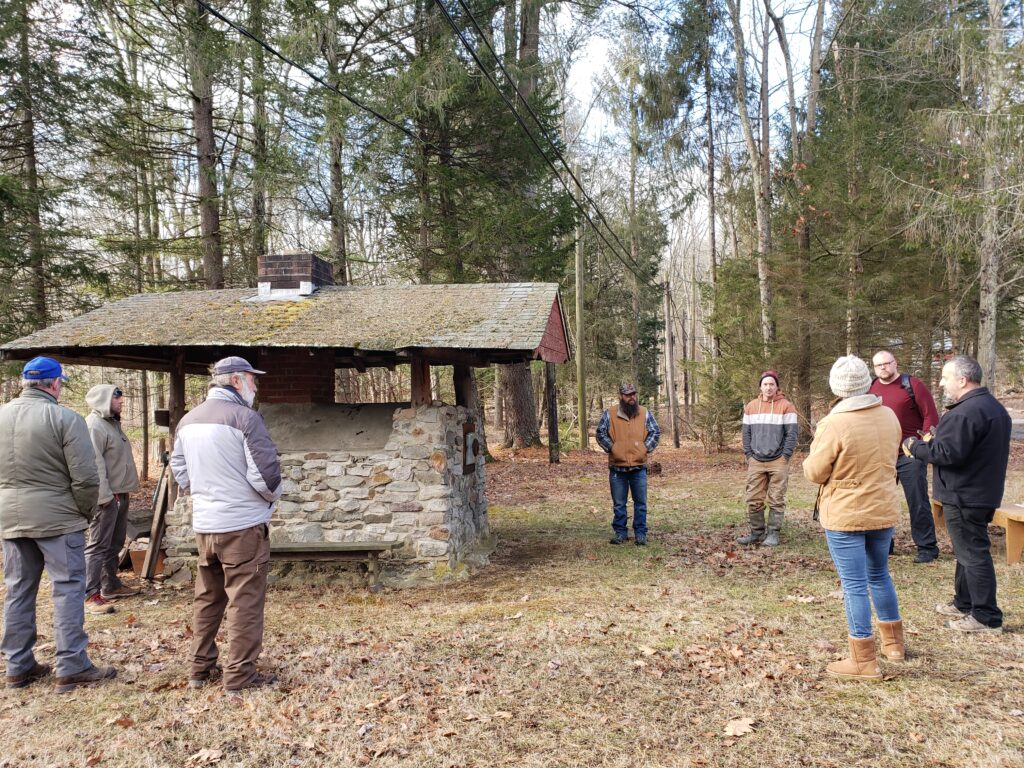
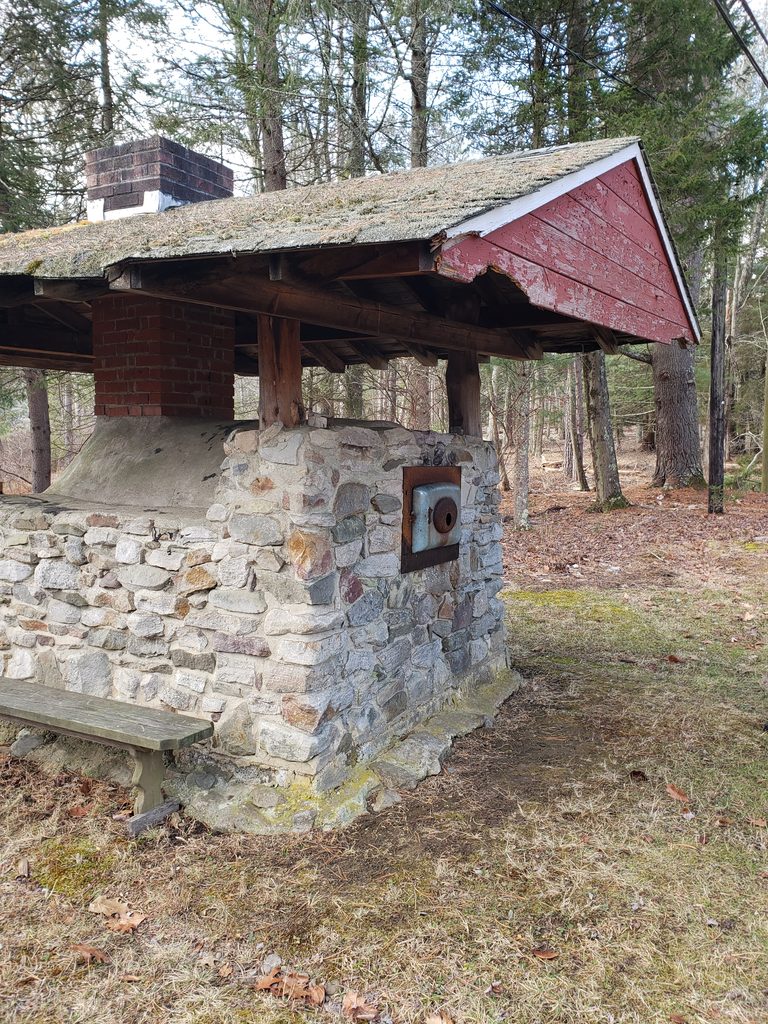
Visitors to the School of Conservation, Camp Wapalanne alumni, and former program participants are likely familiar with this beloved outdoor oven. Over the years, it has turned out freshly baked bread, pizzas, and even the occasional lasagna. But for how long? No one in the group knew for sure! Everyone could remember the oven always being there, with some memories stretching back half a century or more. Yet no one knew who had built it, when it was built, or even why it was called a “Dutch Oven.”
No one currently involved at SOC knew the answers. That is, until the SOC Archives team uncovered the story!
A College Tradition at Camp Wapalanne
In its early years, the New Jersey State School of Conservation, as it was originally known, served as an outdoor field school for New Jersey’s six state colleges: Paterson, Montclair, Trenton, Jersey City, Glassboro, and Newark State Teachers Colleges. Through 1967, completing a five-day course at “Camp Wapalanne” was a graduation requirement for every student attending these colleges.
Of the six institutions, Trenton State College maintained its relationship with NJSOC the longest. Around 1967, the state colleges transitioned from their traditional role as “Normal Schools,” primarily focused on training teachers, to a broader liberal arts curriculum. The NJSOC course was no longer required, and most colleges gradually stopped sending students. Trenton State, however, continued this treasured part of its curriculum through 1993, marking the end of a remarkable 44-year partnership.
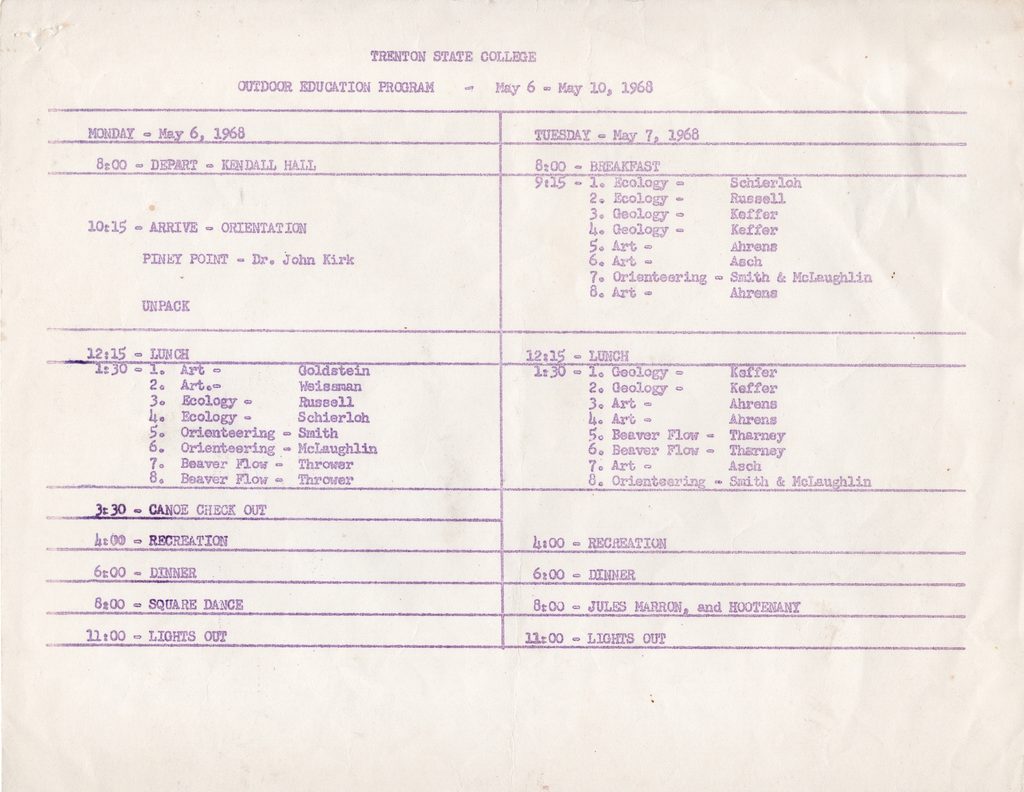
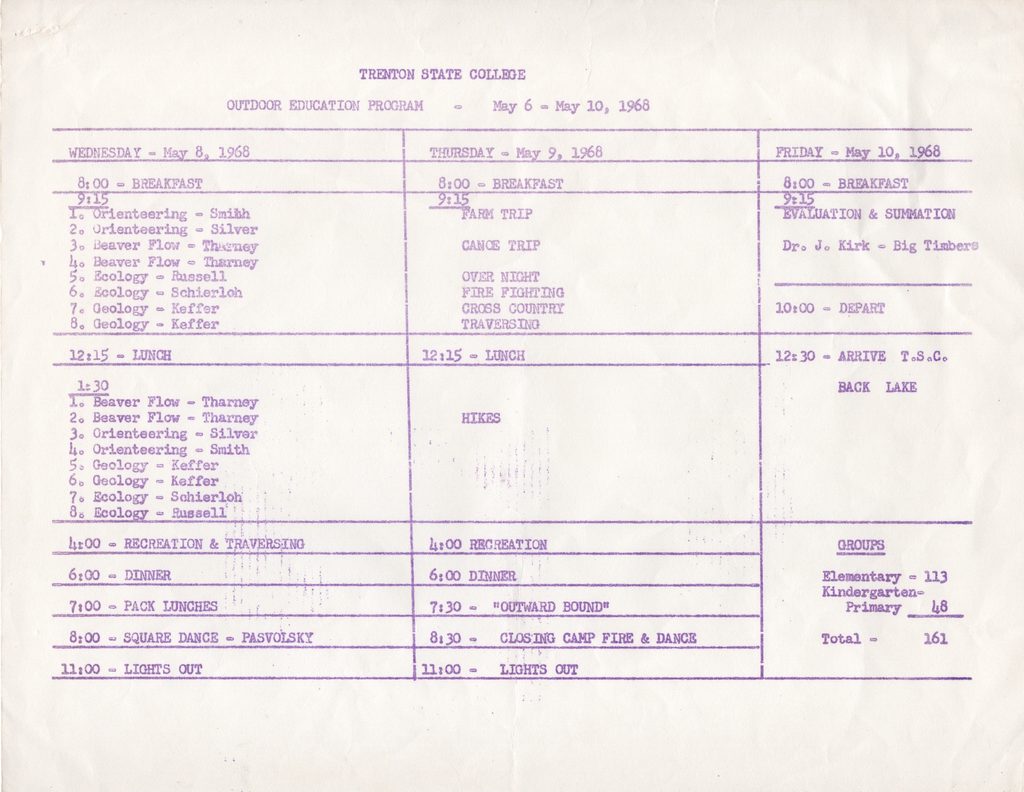
The Trenton State files preserved in the SOC Archives offer a fascinating glimpse into this relationship. The college clearly valued what the School of Conservation—which it referred to as “Camp Wapalanne”—provided its students. Course schedules from 1983 through 1988 and the early 1990s reveal what students experienced and learned during their stays. Some years’ records even include rosters of the participating students.
And tucked among those records was the key to solving the Dutch Oven mystery.
An Archivist’s Research Uncovers the Story
The breakthrough came through questionnaires and correspondence initiated by Annette Sambolin, a former SOC staff member who conducted extensive research into the school’s history in preparation for its 50th anniversary in 1999. Her work culminated in the book The New Jersey School of Conservation From 1949 to 1999: Fifty Years of Educational Services to Nature and Society, completed and distributed in 2005.
Determined to capture as complete a picture of NJSOC’s history as possible, Annette sent questionnaires to everyone she could identify as having been connected with the school over the years. Many recipients responded, and follow-up correspondence revealed details and personal stories that might otherwise have been lost.
One respondent was Conrad Johnson, a professor in Trenton State College’s Industrial Arts Department. His questionnaire—and, especially, a follow-up letter he sent to Annette in 1995—revealed the origins of the Dutch Oven.
A Project Worth Coming Back For
In his questionnaire, Johnson recalled accompanying students to the School of Conservation on a trip “near the end of the Wapalanne season,” sometime around 1961, although he was not certain of the date. In his 1995 letter to Annette, he noted that it had been his only visit to the school, adding that “faculty assignments and student requirements were changed about that time.” Perhaps, then, the visit took place closer to 1967.
On that trip, Johnson and fellow Industrial Arts professor Walt Macak were assigned to accompany the students and develop a project for them to work on during their week at Wapalanne. Their idea? Build an outdoor Dutch Oven!
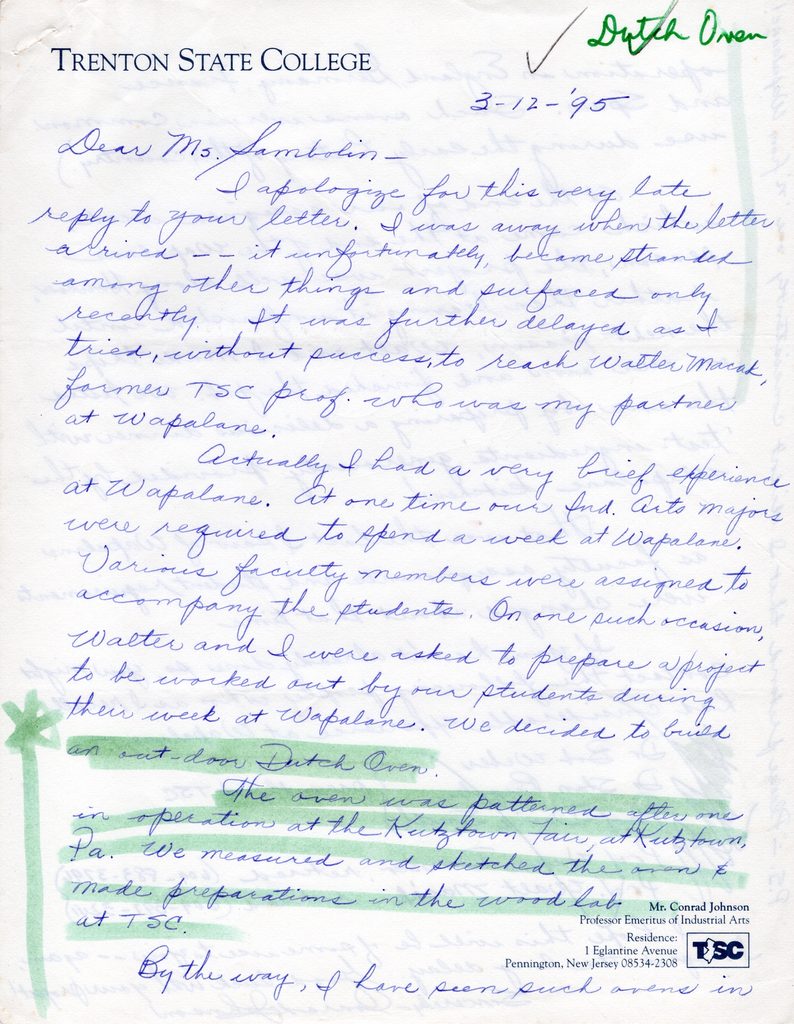
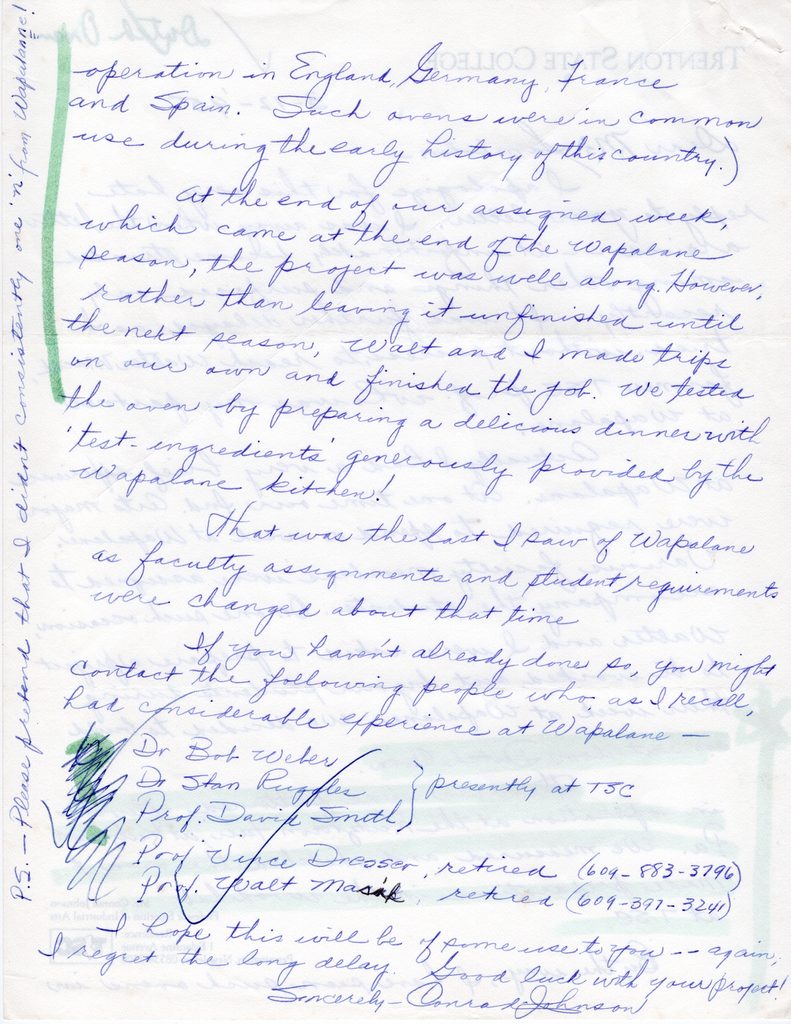
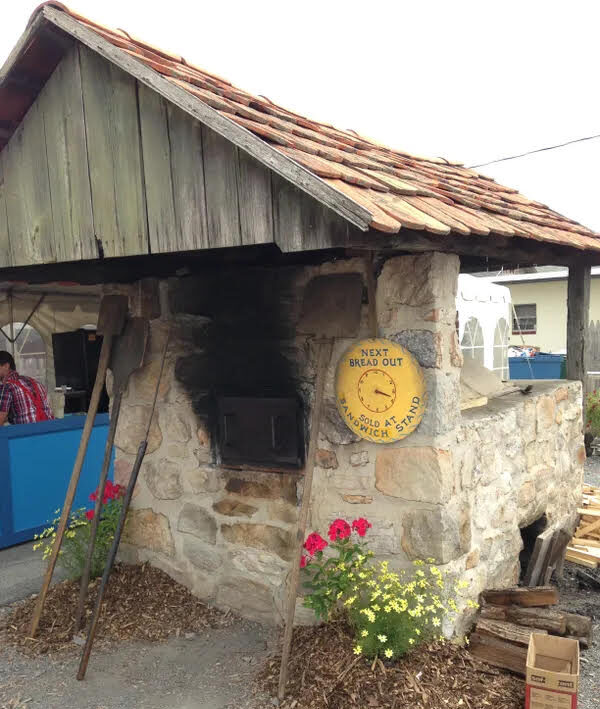
Johnson explained that their design was modeled after an oven in operation at the Kutztown Fair in Kutztown, Pennsylvania. The two professors measured and sketched the original, then prepared materials in the wood lab at Trenton State.
By the end of their assigned week at Wapalanne, the oven was well underway—but not finished. Rather than leave the project incomplete until the following year, Johnson and Macak made return trips on their own time to complete the job.
And then came the all-important test: they fired up the oven and prepared a delicious dinner using ingredients from the Wapalanne kitchen. The project was a success!
A Legacy That Keeps on Baking
We owe a debt of gratitude to Conrad Johnson, Walt Macak, and their Trenton State Industrial Arts students for the enduring gift of the Dutch Oven. This sturdy outdoor structure has become part of the Wapalanne memories of countless SOC visitors, many of whom have enjoyed the delicious results of its wood-fired cooking.
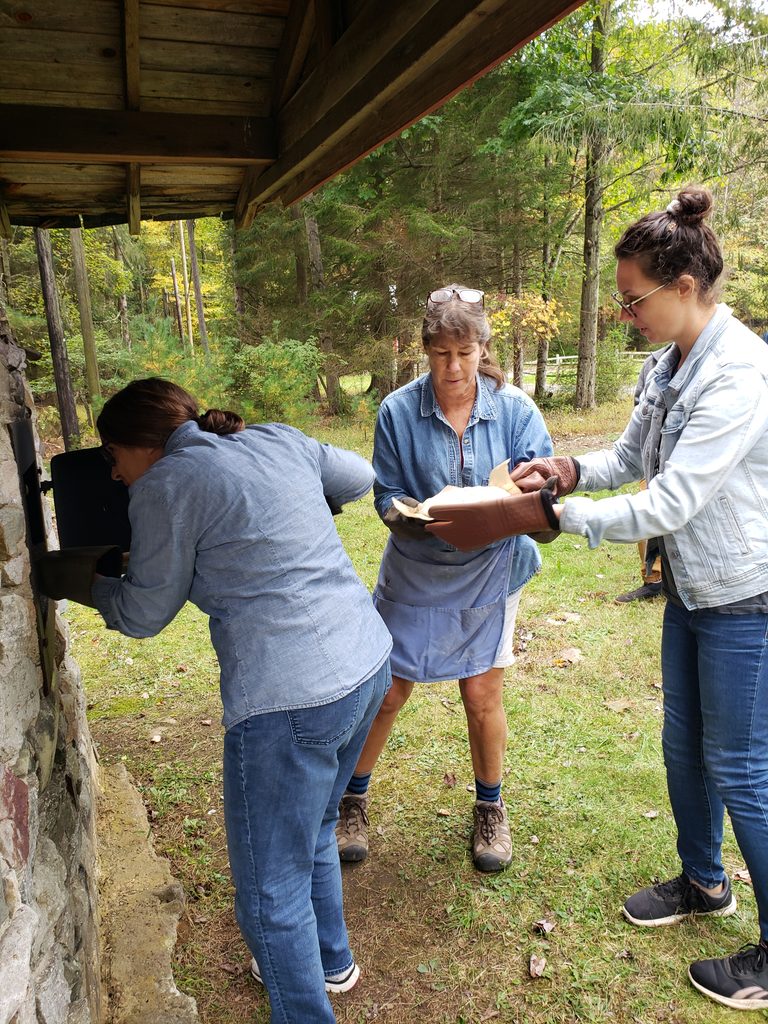
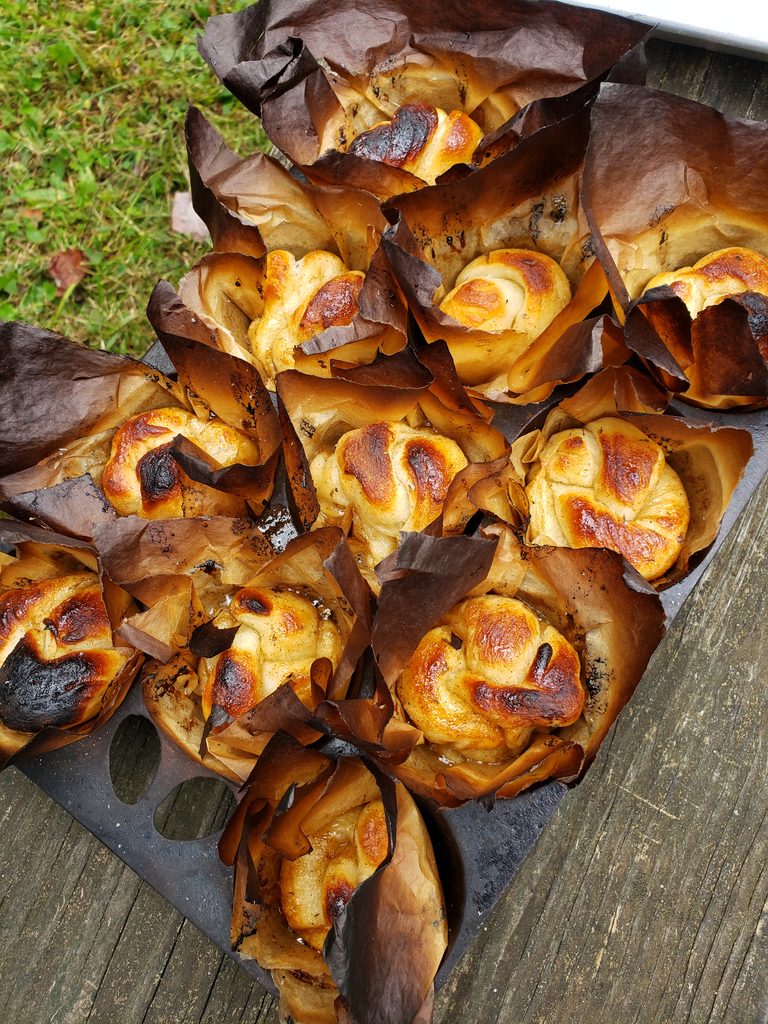
The oven is still in use today, most recently serving up rustic baking experiences during public programs sponsored by the Friends of NJSOC. More than half a century after its construction, it continues to bring people together through hands-on learning, shared meals, and a little outdoor magic.
We are equally grateful to Annette Sambolin. Without her painstaking historical research and thoughtful follow-up, the story behind this iconic structure might have been lost forever.
And here’s one final twist to the tale: the original oven that inspired Johnson and Macak is still in use, too! The model at the Kutztown Fair continues to be a popular attraction at the annual Kutztown Folk Festival in Pennsylvania.
So the next time you visit the School of Conservation and catch the aroma of fresh bread or pizza drifting from the Dutch Oven, you’ll know there’s more to that wonderful smell than meets the nose. You’ll be experiencing a living piece of SOC history—a legacy built by college professors and their students, preserved through the memories of those who were there, and rediscovered thanks to the SOC Archives.
Funding for the NJSOC Archive Project has been made available in part by the New Jersey State Historical Commission through the County History Partnership Program, as administered by Sussex County Arts and Heritage Council, and by individual donations from NJSOC supporters.
Donations are always welcome through Givebutter, or by check (payable to Friends of NJSOC) sent to the NJ School of Conservation at PO Box 403, Branchville, NJ 07826.