Job Opening Announcement: Environmental Education Coordinator
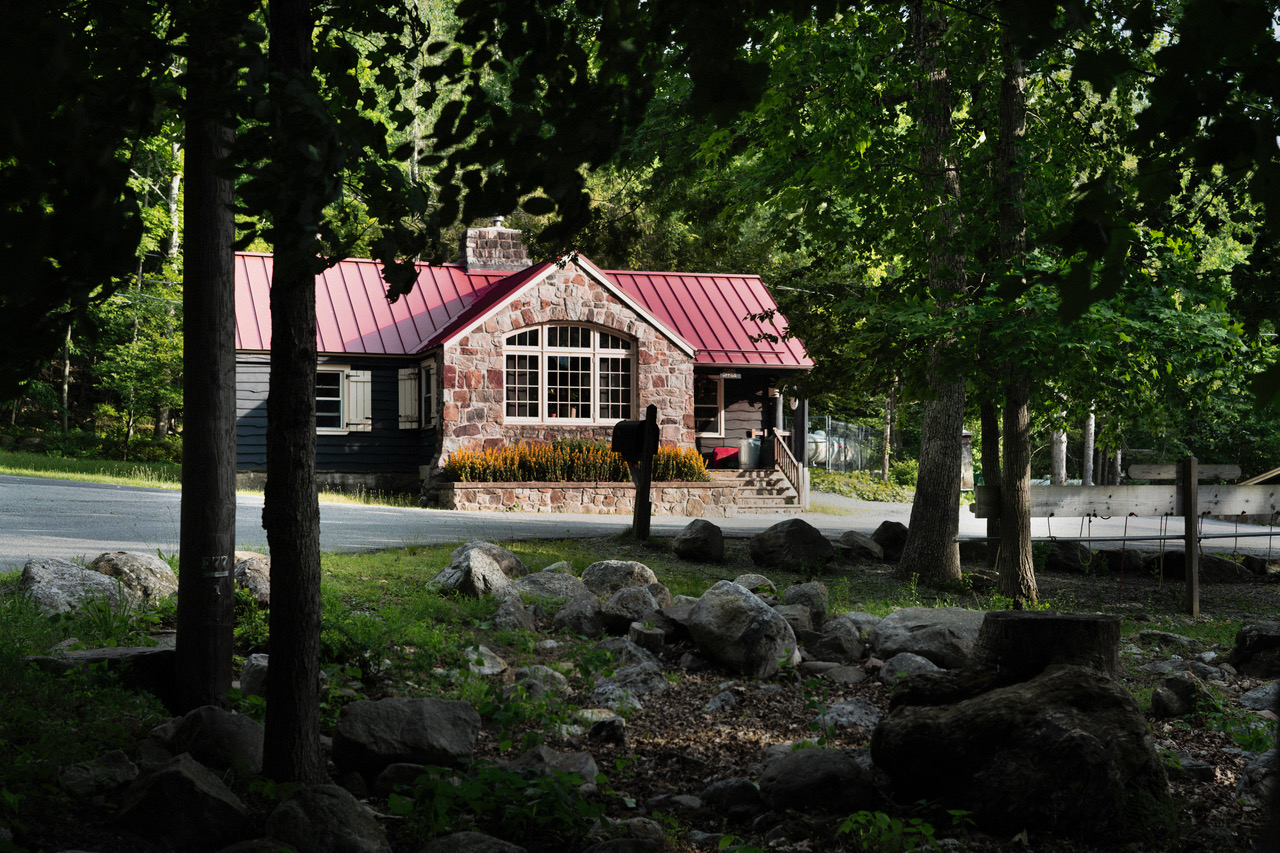
ABOUT THE NEW JERSEY SCHOOL OF CONSERVATIONLocated on a 240-acre tract of land in Stokes State Forest in Sussex County, New Jersey, the New Jersey School of Conservation (NJSOC) is our nation’s oldest year-round residential environmental education center. NJSOC has
The Mystery of the Dutch Oven: An SOC Archives Discovery
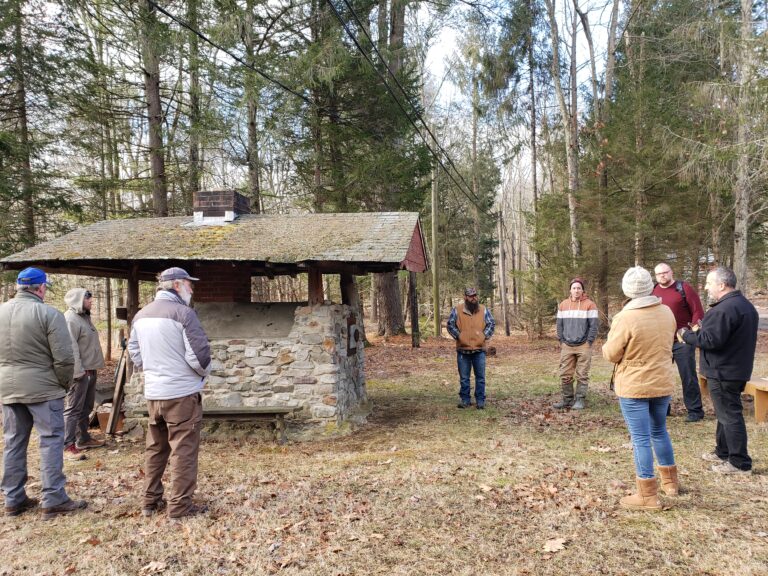
By: Shayne Russell, NJSOC Archives Project Volunteer In January 2023, a small group of School of Conservation (SOC) staff members, Friends of NJSOC volunteers, and other interested folks gathered around the school’s outdoor Dutch Oven to discuss its maintenance needs.
Highlighting Famous Conservationists: Autumn Peltier
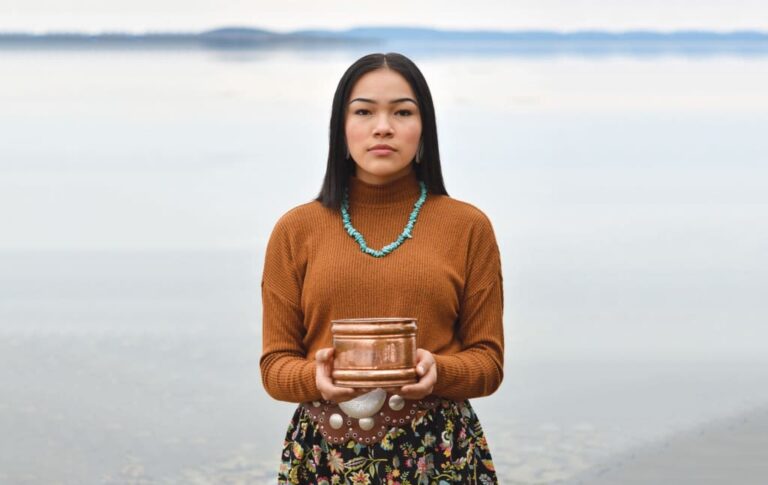
This month, we are recognizing Autumn Peltier, a water rights advocate who was born on September 27th, 2004. A member of the Wikwemikong First Nation in Canada, Peltier strives to provide clean drinking water not only for her Great Lakes community, but also for other Indigenous Peoples and countries around the world
Ethan Bids Farewell
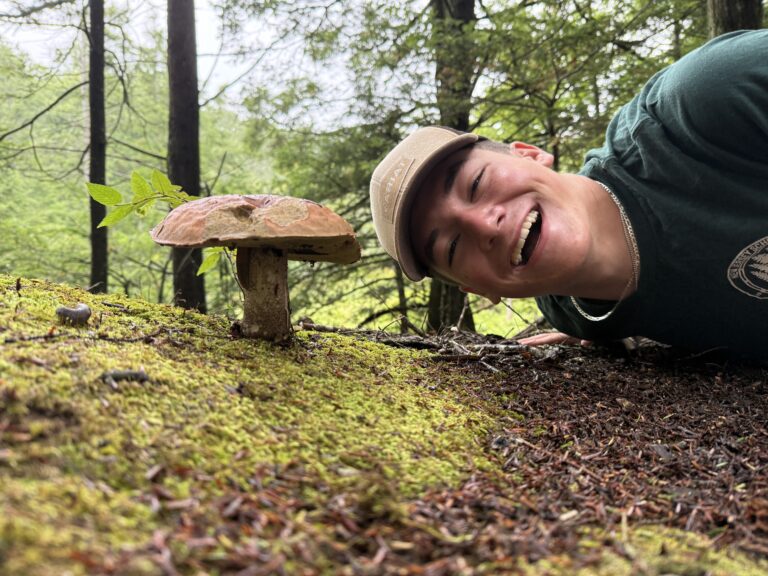
As the summer of 2026 comes to a close, I have no hesitation in proclaiming that I truly loved my internship with the NJSOC. My days spanned the ultimate spectrum of work, ranging from the intellectual thrill of designing my own avian research project to the backbreaking glory of shoveling endless mounds of soil and gravel alongside the maintenance crew. When I wasn’t testing my shoveling skills, I was knee-deep in data entry for numerous projects, regularly feeding the Educational Ambassador Animals, and figuring out how to troubleshoot and install the new bird-identifying Terra Listens unit
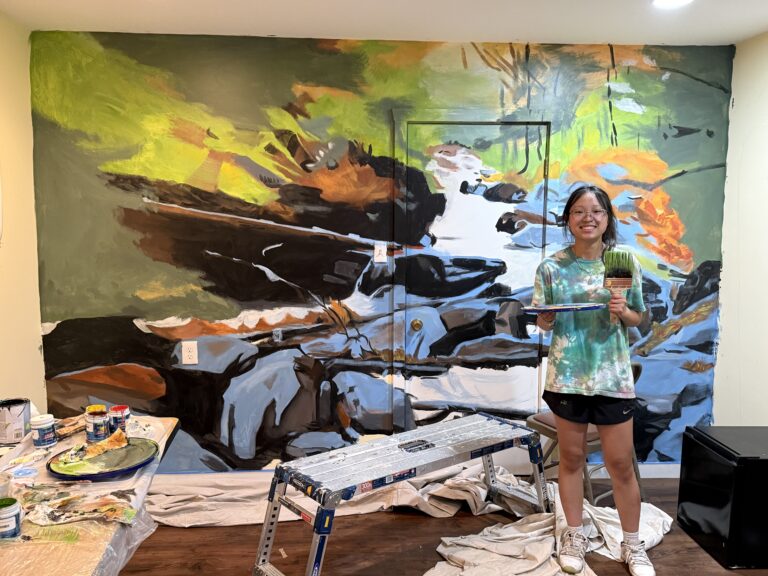
Chloe Bids Farewell
This summer 2026, I will be leaving the NJSOC as an intern but coming out as an individual who hopes to utilize environmental conservation and awareness is everyday life. For the past 2 months, I’ve spent time not only painting but also learning about all the other aspects that make this place so beloved
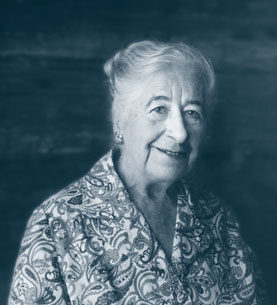
Highlighting Famous Conservationists: Margaret Murie
This year, we are highlighting conservationists and environmental advocates who have made remarkable contributions to our society. Through these accounts, we hope to inspire our own community to take action, since each one of us could make a difference for our planet
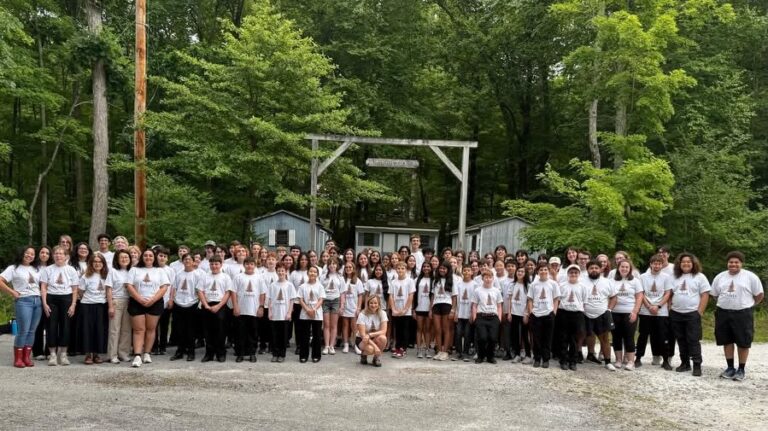
Stokes Music Camp 2026 Was A Hit!
Stokes Music Camp returned for another successful and exciting two weeks at the NJ School of Conservation this past month! From July 11th to July 25th, the forest of Stokes was filled with music, laughter, and camaraderie, and it could not have been more of a blast. Stokes Music Camp was fortunate enough to welcome a total of 170 campers, counselors, and faculty members for this special, one-of-a-kind summer camp experience
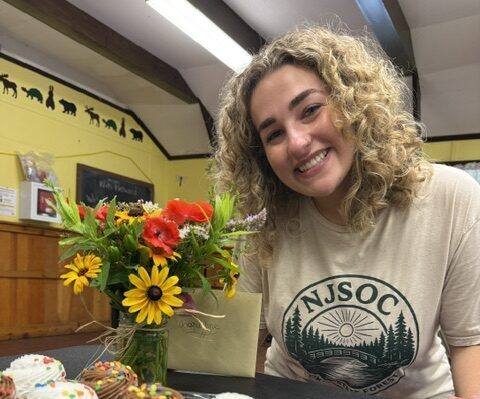
Jacqueline Bids Farewell!
Social media is a place where stories are told.
Through my time as a social media intern at the New Jersey School of Conservation, I have made countless videos to tell the stories of the school, and the people who inhabit it. Now, I am here to tell my story
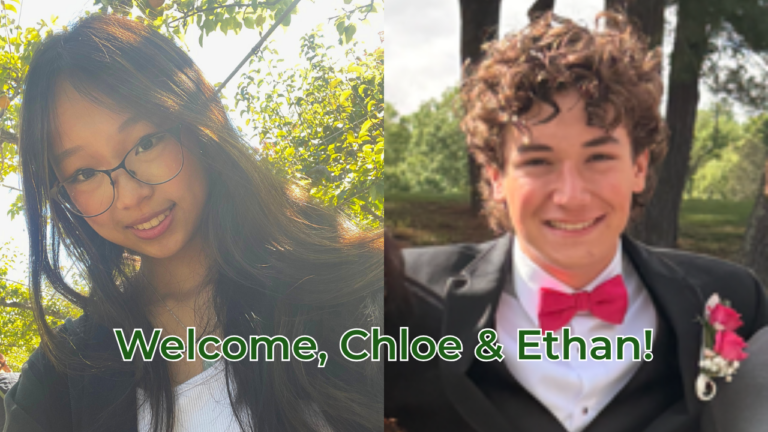
Welcome, Chloe and Ethan!
We are excited to welcome Chloe Chen and Ethan Haiduc- Dale as our new Education Interns for the summer!

Welcome, Jacqueline and Stefanie!
We are excited to welcome Jacqueline McGarry and Stefanie Maneri as our new Social Media Interns!
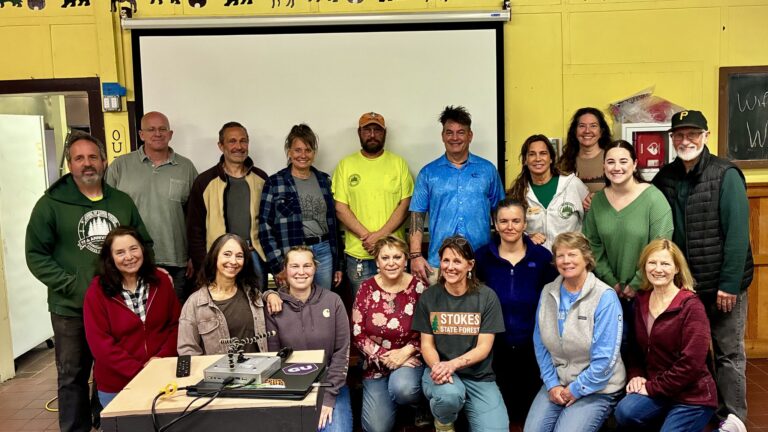
Staff Complete Safe and Positive For All Training
At the NJ School of Conservation, we strive to provide educational programming that is inclusive and accessible to all who visit our campus. We approach every participant with a mindset of presumed competence, while also recognizing the importance of continually educating ourselves on how to better support and include all individuals. To help fulfill that commitment, our staff participates in a variety of professional development and training sessions focused on accessibility and inclusion
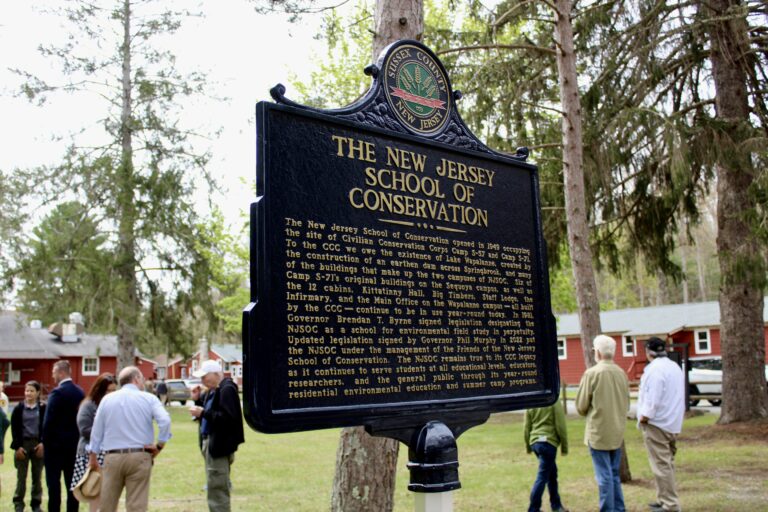
NJ School of Conservation Receives Historical Marker
Last week, the NJ School of Conservation was pleased to unveil a historic marker, presented by the Sussex County Commissioners Historical Marker Program. It was a joyous day filled with excitement, camaraderie, and of course, history for all of those who attended