By: Amelia Basile, NJSOC Junior Educator
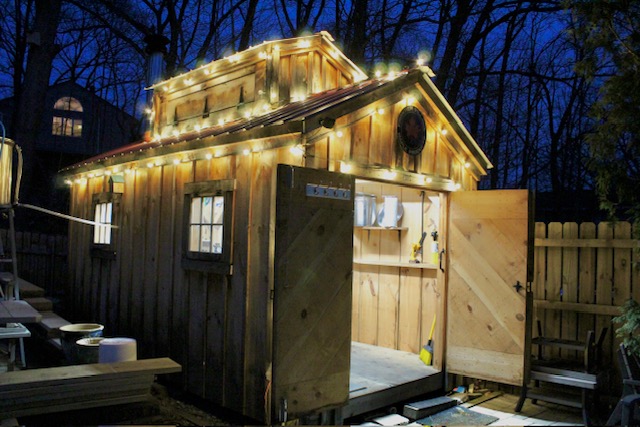
Just one hour from The School of Conservation, Vince Portelli makes maple syrup from local sugar maple trees in his backyard. He started his business, Frontier Maple Products, after friends and family enjoyed his sapping hobby that he learned through YouTube videos. Now, he sources thousands of gallons of his sap from friends in New York State and collects some from his yard in Bloomingdale, NJ. To collect the sap, he travels with a large stainless steel tank from New Jersey to New York and back!
What trees can be used for maple syrup?
Sugar maples are a native tree to New Jersey and have the highest sugar content of any tree making them ideal for making maple syrup. Portelli says, “This region of the state has so many more maple trees than people think!”. He explains there are seven native species and the Norway maple which is invasive. The Norway maple also has a very low sugar content so they are not ideal for sugaring.
How is sap extracted?
During late winter and early spring, trees begin a cycle caused by warm days and freezing nights. Trees push sap out during warm temperatures and bring sap up the trunk during freezing nights. This creates a flowing system of sap that can be collected by tapping into the tree. The hole created will give the tree a place to expel sap during the day where temperatures are warm. Once the tree is tapped, Portelli mentions, “It takes a lot of patience”. You need many filters to catch any critters or debris that finds its way into the sap. Some large companies can have sap containers as large as swimming pools and bears are sometimes found swimming in them! When the sap is collected from the drip bucket it is very thin and has very little sugar in it. It is filtered many times by a fine strainer and is then added to an evaporator.
How is maple syrup made?
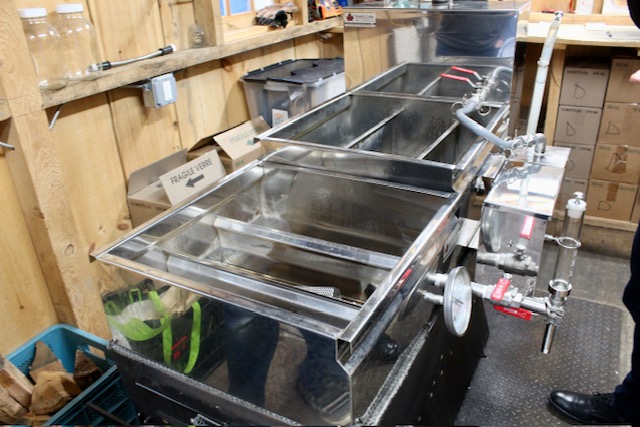
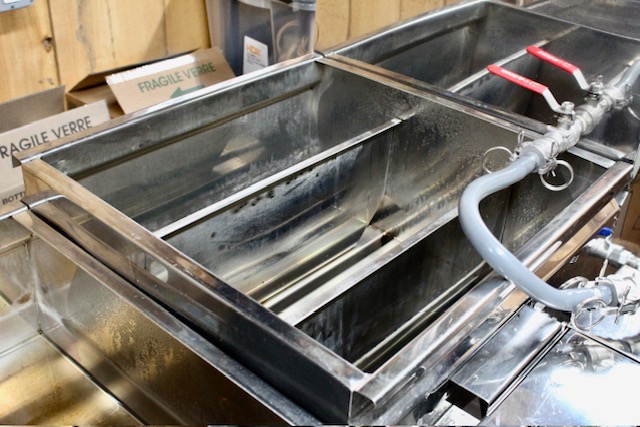
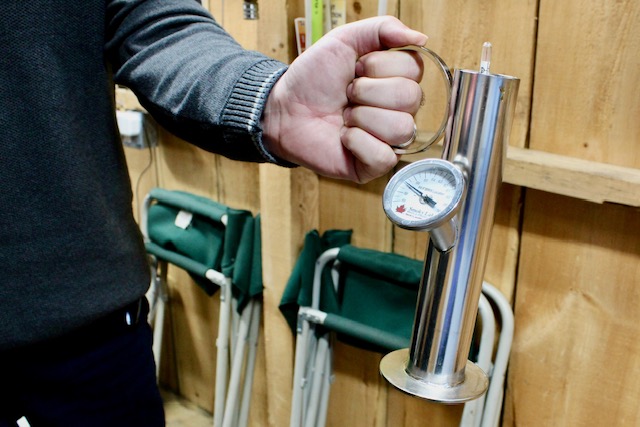
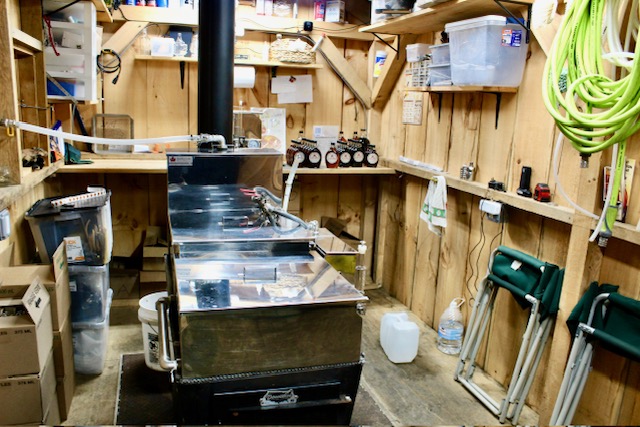
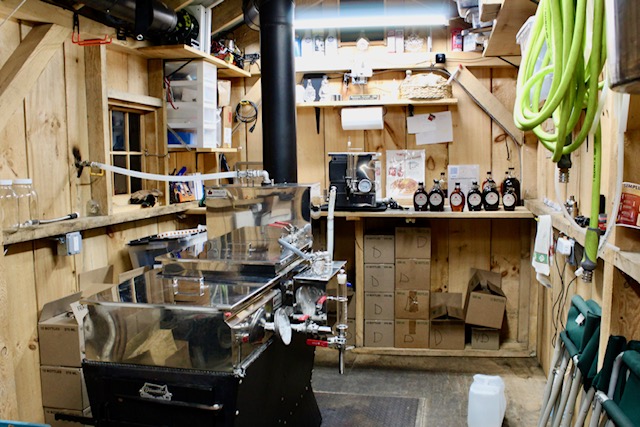
An evaporator removes water from the sap and caramelizes the sugar. Portelli mentions an important fact that the density needs to be perfect. “We use a murphy cup to test the syrup’s density and by law, it needs to be at 66.9% brix to sell commercially”. To get the perfect density, Portelli adds water or boils the sap for longer. At the bottom of the machines, you can spot a grainy deposit called niter. These are minerals deposited when the sap is heated and is often referred to as “sugar sand” in the sugar maker community. When the syrup is at the perfect density, it must be at 185 degrees F to sterilize the glass bottles it is sold in.
Selling maple syrup
A common misconception about maple syrup is the darkness of syrup is due to the amount of time it is evaporated. The darkness is actually caused by the amount of microbial load. As the season goes on, more bacteria is found in syrup. The darker the syrup, the more bacteria is held inside and is considered the syrup’s “grade”. The earlier in the season the lighter the maple syrup and the least strong while the latest season maple syrup is dark and strong. Inside the tree, sap is pristine however, once it touches the outside air and equipment microorganisms enter the sap. This is harmless and not the same as spoiled sap! Protelli explains that spoiled sap has been left out too long or introduced to the warm sun! Spoiled sap smells grow and its finished product looks like a thick rope. The reason for these properties is the dead bacteria piling up.
History of sugar makers
Portelli shares his knowledge about the many sugar makers before him. He tells us, around 300 years ago Native Americans taught us their sugar knowledge. They would cut a large “V” into the tree and it would drip into a water proof birch bark bucket. Then, over a camp fire, they would heat rocks and those rocks were put into bowls to evaporate sap until it became sugar.
A note for sustainability
Portelli shares that, “large companies should be reusing the steam”. Making maple syrup takes a lot of energy and we should be aware of and take advantage of what exports are coming from the process. He also mentions that climate change and El Nino events can spoil sap and be extremely harmful to maple syrup small businesses around the country.
What made Vince Portelli start tapping and making syrup?
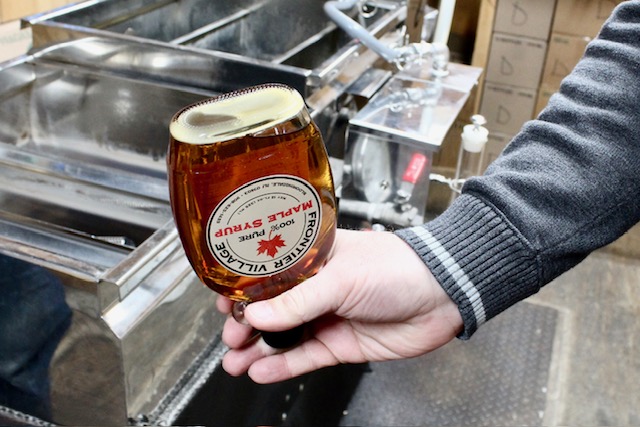
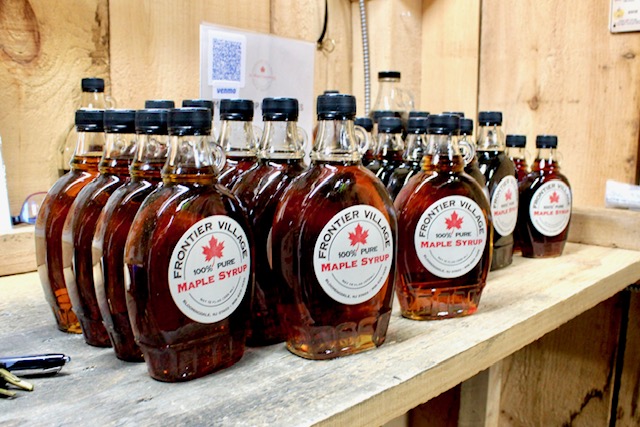
Portelli shares, “8 years ago, I saw youtube videos and thought, “I have a maple tree!””. He started tapping his brother’s trees, then friends and family were asking him for more syrup and then, his hobby blossomed into a fulfilling business over time. Portelli travels locally attending markets to advertise and sell his bottles. His first season batch of maple syrup was just made at the end of this February. He sells his bottles independently as well as in local small business shops like Glenwild Gardens in Bloomingdale!